Middle East Crisis Places Heavy Pressure on Asian Foreign Exchange Reserves
Vietstock Tai chinh quoc te • 05/17/2026
Negative
Summary
The core idea of the story, in a faster reading layer.
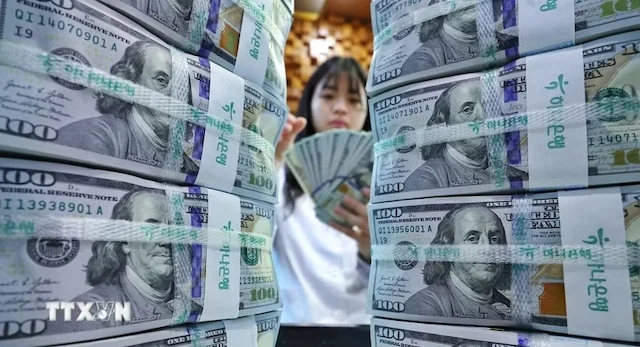
The crisis in the Middle East is putting pressure on the foreign exchange reserves of Asian countries. The decline in foreign exchange reserves reflects both the need for countries to sell their reserves to support their local currencies and the decrease in value of non-USD assets held.
AI quick analysis
A short investor-focused read on transmission channels, sectors, and near-term watchpoints.
1) Background and Scope of Analysis
- The crisis in the Middle East is affecting the foreign exchange reserves of Asian countries.
- The scope of analysis includes Asian countries with large foreign exchange reserves that may be affected by the decline in these reserves.
2) Mechanism of Impact
- The decline in foreign exchange reserves of Asian countries may put pressure on the domestic currency and cause a decline in the value of assets held in non-USD.
- Lower expectations about foreign exchange reserves may lead to decreased investor confidence in non-USD assets, thereby putting pressure on their value.
- 3) Industry/Stock Groups Benefiting or Under Pressure:
Benefiting industry/stock group
- Banks, as they may benefit from countries selling foreign exchange reserves to support the domestic currency.
Industry/stock group under pressure
- Companies holding non-USD assets, as the value of these assets may decline due to the decline in foreign exchange reserves.
4) Risks to Monitor
- The risk of a decline in foreign exchange reserves of Asian countries may affect the domestic currency and the value of non-USD assets.
- The risk of decreased investor confidence in non-USD assets.
- 5) Short-Term Timeframe:
- The short-term timeframe may see the decline in foreign exchange reserves of Asian countries affecting the domestic currency and the value of non-USD assets.
- There may be a decrease in investor confidence in non-USD assets in the short term.
AI-assisted synthesis only. Not investment advice.
Potentially affected tickers
Heuristic mapping from the story and reference listed-market data.
Source excerpt
Stored source excerpt from the original article, without rewriting the publication's voice.
The decline in foreign exchange reserves reflects both the need for countries to sell their reserves to support their local currency and the decrease in value of assets held in non-USD currencies.