Pivotal Interest Rate Decisions Diverge Among Major Central Banks (Note: I assume the article title is in Vietnamese and this is the translation of it)
Summary
The core idea of the story, in a faster reading layer.
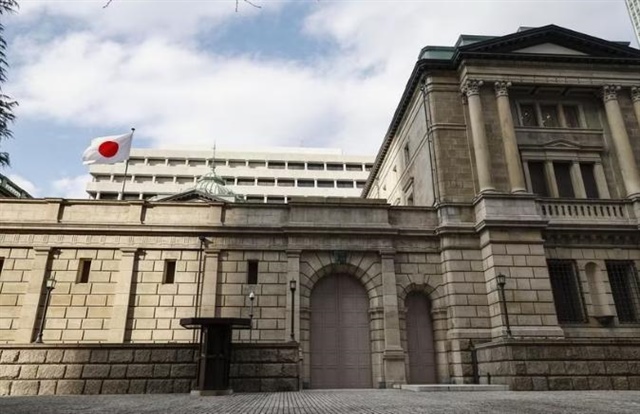
The Bank of England has maintained its interest rate in a contrasting monetary policy stance, as other major central banks such as Indonesia, the Philippines, and Japan have tightened their monetary policy to protect their local currencies and combat inflation. This divergent interest rate decision highlights the differences in the monetary policy strategies of central banks.
AI quick analysis
A short investor-focused read on transmission channels, sectors, and near-term watchpoints.
1) Market Context & Analysis Scope
- Recent market trends have shown instability in the monetary market with major central banks having contrasting policies.
- This analysis will focus on the impact of contrasting interest rate policies of major central banks on Vietnam's financial market.
2) Mechanism of Impact
- Expectations of economic-financial stability will be replaced by instability due to the contrasting policies of major central banks.
- The degree of surprise from these policies is high, as major central banks tend to have a tendency to synchronize monetary policy management.
- Capital may be withdrawn from insecure financial markets, leading to a difference in value between assets.
- 3) Benefiting or Pressured Groups:
- Benefiting:
- Commercial banks and financial companies may benefit from this instability, as they can provide safe financial services to customers.
- Pressured:
- Manufacturing and export companies may face pressure due to monetary market instability and inflation.
4) Risks to Monitor
- The risk of economic-financial instability will increase due to the contrasting policies of major central banks.
- The risk of inflation may also increase due to monetary market instability.
- 5) Short-Term Timeframe:
- In the short term, Vietnam's financial market may react strongly to the contrasting policies of major central banks.
- This instability may last for at least a few weeks, or until major central banks have new policies.
AI-assisted synthesis only. Not investment advice.
Potentially affected tickers
Heuristic mapping from the story and reference listed-market data.
Price: updating
Linked through sector exposure; expected market read is negative if the story gets priced in.
Related through sector linkagePrice: updating
Linked through sector exposure; expected market read is negative if the story gets priced in.
Related through sector linkagePrice: updating
Linked through sector exposure; expected market read is negative if the story gets priced in.
Related through sector linkagePrice: 25,250
Linked through sector exposure; expected market read is negative if the story gets priced in.
Related through sector linkagePrice: updating
Linked through sector exposure; expected market read is negative if the story gets priced in.
Related through sector linkageSource excerpt
Stored source excerpt from the original article, without rewriting the publication's voice.
While Indonesia, the Philippines, and Japan continue to tighten monetary policy to protect their local currencies and address inflation, the Bank of England (BoE) is instead maintaining its interest rates.