Hormuz Strait Blockade Traps 1,200 Ships and $125 Billion Worth of Goods
Vietstock Tai chinh quoc te • 06/24/2026
Neutral
Summary
The core idea of the story, in a faster reading layer.
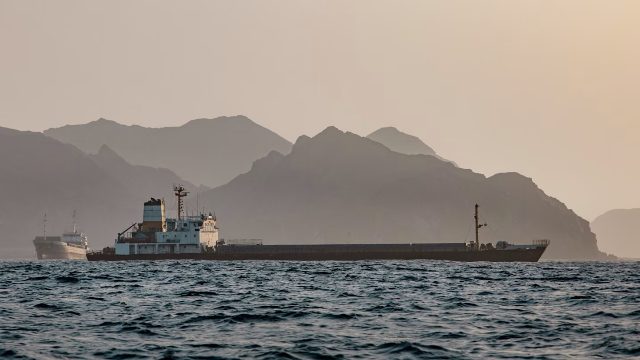
The closure of the Hormuz Strait has left over 1,200 cargo ships stranded along with goods valued at approximately $125 billion. This highlights the significant reliance of global trade on a few strategic shipping lanes.
AI quick analysis
A short investor-focused read on transmission channels, sectors, and near-term watchpoints.
Background & Analysis Scope
- The Strait of Hormuz is one of the most critical maritime routes in the world, connecting the Persian Gulf with the Gulf of Oman and extending into the Indian Ocean.
- A blockade of the Strait of Hormuz could impact global trade, particularly in the oil and commodities sectors.
- Mechanism of Action:
- Expectations of global trade stability have been disrupted, leading to market anxiety.
- The level of surprise from the news is high, as it can affect the business operations of many countries and companies.
- Industry/Stock Groups Benefiting or Under Pressure:
- Bullish:
- Shipping companies, oil companies, and commodities traders may benefit from increased demand for alternative maritime routes.
- Bearish:
- Shipping companies, oil companies, and commodities traders may face pressure from disrupted global trade.
Risks to Watch
- Disrupted global trade may lead to market instability.
- The impact of the Strait of Hormuz blockade may extend to other economic sectors.
- Short-Term Timeframe:
- The financial market may react immediately to news of the Strait of Hormuz blockade.
- Market anxiety may persist in the short term.
AI-assisted synthesis only. Not investment advice.
Potentially affected tickers
Heuristic mapping from the story and reference listed-market data.
Source excerpt
Stored source excerpt from the original article, without rewriting the publication's voice.
The blockade of the Hormuz Strait has resulted in over 1,200 stranded cargo ships and goods worth approximately $125 billion, highlighting the extent of the global trade's dependence on a few key strategic shipping lanes.