Turning Point in Monetary Policy
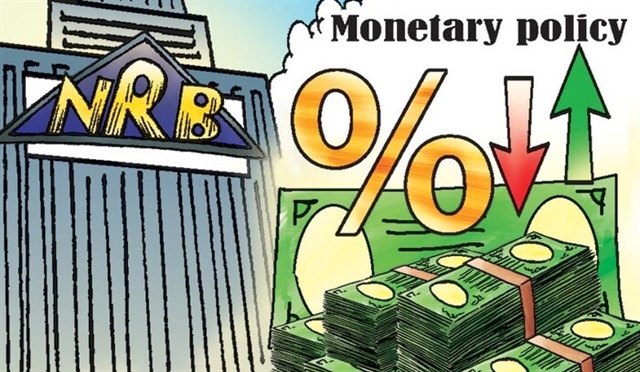
Summary
The core idea of the story, in a faster reading layer.
The government has accepted short-term trade-offs to create a solid structural foundation for long-term growth, aiming to maintain a two-digit economic growth rate during the 2026-2030 period. This trade-off is evident in the relaxation of credit safety limits to inject capital into the economy.
AI quick analysis
A short investor-focused read on transmission channels, sectors, and near-term watchpoints.
1) Market Context & Analysis Scope
- The market is being shaped by monetary policy and economic growth momentum.
- The analysis scope focuses on the impact of monetary policy on the economy and various industries.
- 2) Mechanism of Action:
- Cause-and-Effect Loop
- : The government accepts short-term trade-offs to inject capital into the economy through relaxed credit risk limits, hoping to create a solid long-term foundation and maintain a two-digit economic growth momentum in the 2026-2030 period.
- Credibility of Information
- : The government's message is clearly and solidly conveyed, demonstrating its commitment to maintaining economic growth.
- 3) Benefiting/Pressured Industries/Stocks:
- Benefiting
- : Industries that may benefit from the relaxed monetary policy include:
Banking and Finance
- Relaxed credit risk limits will help enhance the ability to inject capital and support the economy.
Companies with Better Access to Capital
- Companies with better access to capital will have an advantage in accessing capital and implementing projects.
- Pressured
- : Industries that may be pressured by the change in monetary policy include:
Industries with Limited Access to Capital
- These industries may be negatively affected by the change in monetary policy.
4) Risks to Monitor
Inflation and Monetary Stability Risks
- The relaxed monetary policy may lead to inflation and affect monetary stability.
Systemic Risk Risks
- The change in monetary policy may affect systemic risk and financial stability.
- 5) Short-Term Timeframe:
- In the short term, the change in monetary policy may lead to market and industry adjustments.
- The short-term timeframe will depend on the market and industry reactions to the change in monetary policy.
AI-assisted synthesis only. Not investment advice.
Potentially affected tickers
Heuristic mapping from the story and reference listed-market data.
Price: updating
Linked through sector exposure; expected market read is negative if the story gets priced in.
Related through sector linkagePrice: updating
Linked through sector exposure; expected market read is negative if the story gets priced in.
Related through sector linkagePrice: updating
Linked through sector exposure; expected market read is negative if the story gets priced in.
Related through sector linkagePrice: updating
Linked through sector exposure; expected market read is negative if the story gets priced in.
Related through sector linkagePrice: 33,400
Linked through sector exposure; expected market read is negative if the story gets priced in.
Related through sector linkageSource excerpt
Stored source excerpt from the original article, without rewriting the publication's voice.
Facing the daunting task of how to maintain economic growth at a two-digit rate in the 2026-2030 period while ensuring liquidity safety and system-wide risk control, the government has sent a clear message: accepting short-term trade-offs to build a solid long-term foundation. This trade-off is reflected in the easing of credit safety limits to pump capital into the economy, accompanied by a comprehensive campaign to eliminate the shadow banking system and strengthen the financial sector, particularly Vincom Retail (VRE) and Vinamilk (VNM), which are set to benefit from the government's policies.